
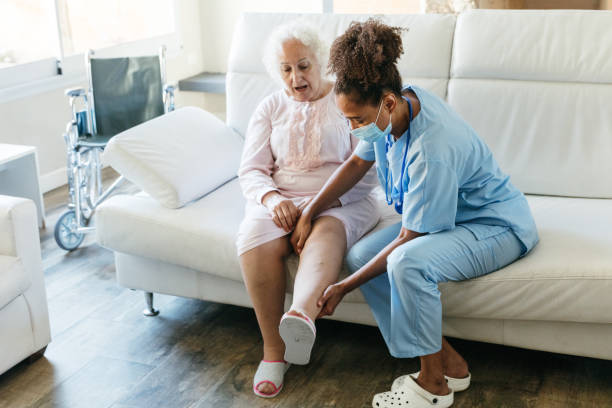
Can You Get Varicose Veins From Working Out?

By Emily Post
For many people, exercise is an important part of staying healthy, maintaining a healthy weight, and improving circulation. So it can be surprising to notice bulging veins, leg discomfort, or visible varicose veins despite having an active lifestyle. This often leads to an important question: Can you get varicose veins from working out? The short answer is that exercise itself does not typically cause varicose veins. In fact, regular physical activity is generally considered beneficial for vein health. However, some types of exercise can increase pressure within the veins and may make existing vein problems more noticeable, especially in people who are already at risk for vein disease. What Causes Varicose Veins? Varicose veins develop when the tiny one-way valves inside the veins stop working properly. These valves help move blood from the legs back toward the heart. When they weaken or become damaged, blood can flow backward and pool inside the vein. Over time, this increased pressure causes the vein to stretch, enlarge, and become visible beneath the skin. This condition is commonly associated with chronic venous insufficiency, a progressive vein disorder that affects blood circulation in the legs. The most common risk factors for varicose veins include: Can Exercise Cause Varicose Veins? For most people, exercise does not directly cause varicose veins. In fact, activities that engage the calf muscles help support healthy blood flow and reduce blood pooling in the legs. However, certain workouts can place additional stress on the venous system. If you already have weakened vein valves or an underlying predisposition to vein disease, strenuous exercise may make symptoms more noticeable or contribute to worsening existing varicose veins. Rather than causing vein disease, exercise may reveal a condition that was already developing beneath the surface. Exercises That Support Healthy Veins Many forms of exercise can actually improve circulation and help manage symptoms associated with vein disease. Walking Walking is one of the best exercises for vein health. The movement of the calf muscles helps pump blood back toward the heart, reducing pressure within the veins. Regular walking may help decrease feelings of heaviness, aching, and swelling. Swimming ...
Read more


